


Planning an event, whether it’s a wedding, birthday, or corporate gathering, involves countless decisions. One of the most significant choices you’ll face is how to invite your guests. In today’s evolving world, you’re presented with two primary options: the modern convenience of Undangan Digital or the timeless elegance of undangan kertas fisik. This complete guide to Undangan Digital vs undangan kertas fisik will explore both avenues, helping you understand their unique benefits, drawbacks, and ideal use cases. By the end, you’ll be equipped to make an informed decision that perfectly aligns with your event’s vision, budget, and guest experience.
What is the Rise of Digital Invitations Explained?
In an increasingly connected world, digital invitations have emerged as a popular and practical choice for event planners. These aren’t just simple emails; they are sophisticated, interactive platforms designed to streamline the invitation process from creation to RSVP tracking. Understanding what they entail and their inherent advantages is crucial for anyone considering a modern approach to event communication.
What exactly are Undangan Digital?
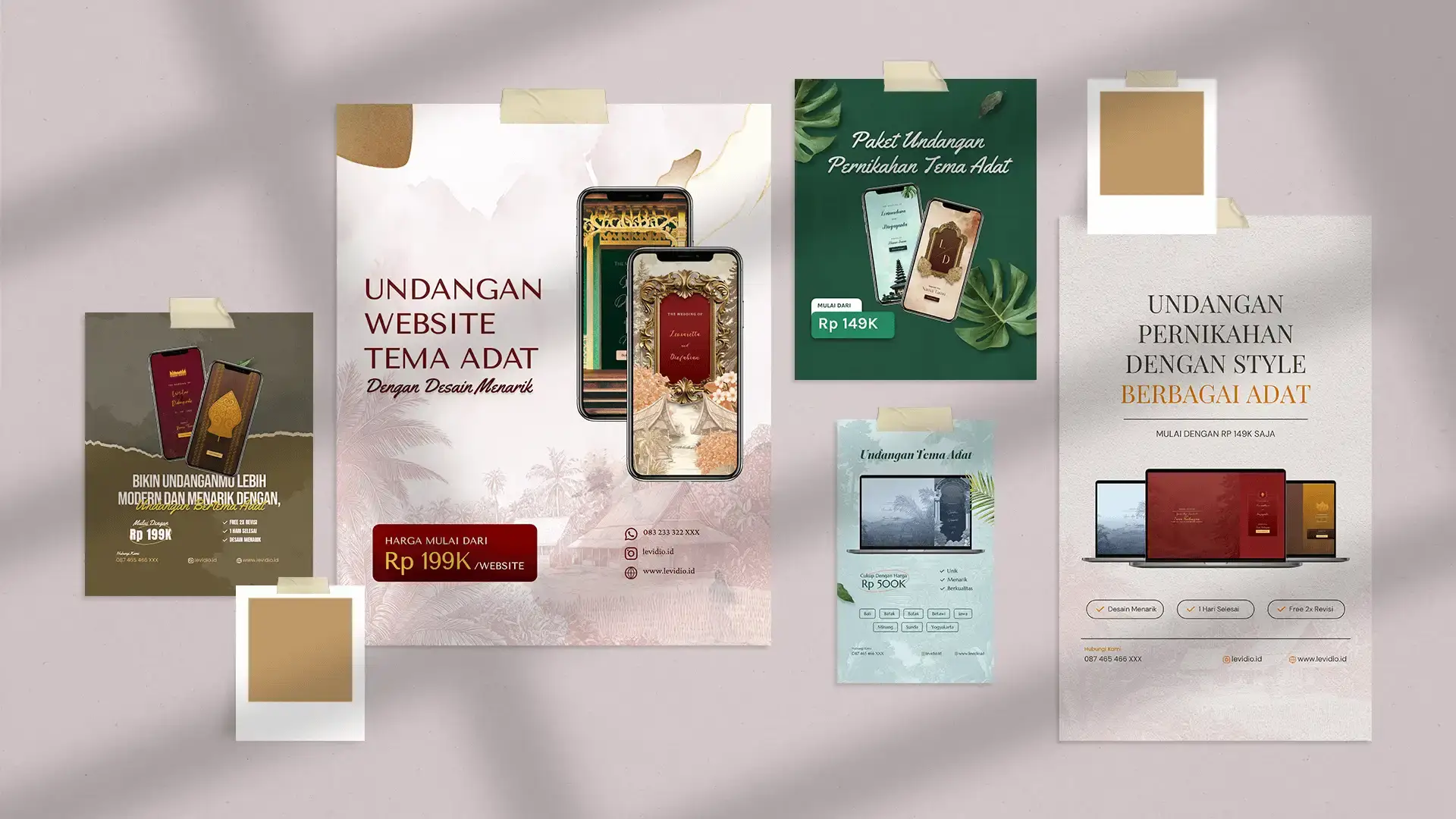
Undangan Digital, or digital invitations, are electronic invitations sent via email, messaging apps, or dedicated event websites. They can range from simple image files to interactive web pages featuring animations, music, photo galleries, and integrated RSVP forms. Unlike their paper counterparts, digital invites leverage technology to offer a dynamic and often more engaging experience for guests. They are designed for instant delivery and easy sharing, making them a go-to for many contemporary events.
What are the Advantages of choosing digital invites?
Choosing digital invitations comes with a host of compelling benefits that cater to modern needs:

- Cost-Effectiveness: Eliminates printing, postage, and design fees associated with physical cards.
- Speed and Convenience: Invitations can be created and sent out in minutes, reaching guests almost instantly, regardless of their location.
- Eco-Friendly: Reduces paper waste and the carbon footprint associated with production and delivery.
- Easy RSVP Tracking: Many platforms offer integrated RSVP systems, making it simple to track guest responses, meal choices, and attendance numbers in real-time.
- Flexibility and Updates: Easily make last-minute changes to event details (time, location) and communicate them instantly to all guests.
- Rich Media Integration: Include videos, photo galleries, maps, and links to gift registries directly within the invitation.
What are the Common features and customization options?
Modern digital invitation platforms offer extensive features and customization to make your invite truly unique. You can choose from a vast library of templates, or design one from scratch to match your event’s theme. Common features include:
- Personalized URLs: A unique link for your event.
- Interactive Maps: Google Maps integration for directions.
- Photo & Video Galleries: Share memories or event previews.
- Music Backgrounds: Set the mood with a chosen soundtrack.
- Guest List Management: Tools to organize contacts and track RSVPs.
- Customizable Forms: Collect dietary restrictions, song requests, or other guest information.
- Event Reminders: Automated notifications sent to guests closer to the event date.
These options allow for a highly personalized and functional invitation that goes beyond what traditional paper can offer.
What is the Enduring Charm of Physical Paper Invitations?
Despite the digital revolution, undangan kertas fisik continues to hold a special place in the hearts of many. There’s an undeniable allure to receiving a beautifully crafted card in the mail, a tangible token that signifies the importance of an upcoming event. This section delves into what makes traditional paper invitations a cherished choice for various occasions.
Defining traditional Undangan Kertas Fisik
Traditional undangan kertas fisik are printed invitations that are physically mailed or hand-delivered to guests. These can range from simple, elegant cards to elaborate multi-piece suites featuring response cards, direction cards, and envelopes. They are often printed on high-quality paper using various techniques like letterpress, engraving, or foil stamping, creating a tactile and visual experience that digital formats cannot replicate. For many, the act of opening a physical invitation is part of the event’s anticipation.
What are the Unique benefits of tangible invitations?
The appeal of paper invitations extends beyond mere tradition. They offer several unique benefits:
- Tangible Keepsake: A physical invitation can be kept as a memento, a lasting reminder of a special day.
- Sense of Formality: Often perceived as more formal and respectful, especially for significant life events like weddings or milestone anniversaries.
- No Technology Barrier: Accessible to all guests, regardless of their tech-savviness or internet access.
- Personal Touch: The act of sending and receiving a physical card feels more personal and thoughtful.
- Visual and Tactile Experience: The quality of paper, printing techniques, and design elements create a unique sensory experience.
These benefits contribute to the enduring popularity of paper invitations, particularly for events where tradition and a personal touch are paramount.
What are the Craftsmanship and personalization aspects?
One of the most significant draws of undangan kertas fisik is the opportunity for exquisite craftsmanship and deep personalization. Designers can utilize a wide array of paper types, textures, colors, and printing methods to create a truly bespoke invitation. Techniques like embossing, debossing, die-cutting, and custom calligraphy add layers of sophistication and artistry. From selecting the perfect cardstock to choosing a unique envelope liner, every detail can be meticulously crafted to reflect the event’s theme and the host’s personality. This level of artistry transforms an invitation from a mere piece of information into a work of art, setting the tone for the event long before it begins.
Head-to-Head Comparison: Digital Versus Physical
When deciding between Undangan Digital vs undangan kertas fisik, a direct comparison of their key attributes is essential. Each option presents distinct advantages and disadvantages across various factors, from cost to environmental impact. Understanding these differences will help you weigh your priorities and select the best fit for your specific event needs.
What are the Cost implications for each invitation type?
Digital Invitations: Generally, digital invitations are significantly more cost-effective. Many platforms offer free basic templates, while premium designs or advanced features might incur a subscription fee or a one-time purchase. Even with paid options, the cost is typically a fraction of what you’d spend on printing and postage for physical cards. There are no material costs, no printing fees, and no stamps to buy, making them ideal for budget-conscious planners.
Physical Invitations: These involve multiple cost components: design fees (if hiring a professional), printing costs (which vary widely based on paper quality, printing technique, and quantity), and postage. For elaborate designs or large guest lists, costs can quickly escalate. Customization, special finishes, and multiple inserts further increase the expense. While more costly, the investment often reflects the perceived value and formality of the event.
What are the Convenience and time-saving factors?
Digital Invitations: Offer unparalleled convenience and speed. They can be designed, sent, and managed entirely online. Last-minute changes are easily communicated, and RSVP tracking is automated, saving hours of manual work. Delivery is instant, eliminating postal delays and ensuring guests receive information promptly. This makes them perfect for tight deadlines or events requiring quick turnarounds.
Physical Invitations: Require more time and effort. The process involves design approval, printing time, assembly (stuffing envelopes, adding stamps), and mailing. This can take weeks, requiring careful planning. RSVP collection is also more manual, involving waiting for response cards to be mailed back and then manually updating guest lists. While the process can be enjoyable for some, it demands a greater time commitment.
What is the Environmental impact and sustainability?
Digital Invitations: Are inherently more environmentally friendly. They eliminate the need for paper, ink, and the energy consumed in printing and transportation. This significantly reduces waste and carbon emissions, aligning with eco-conscious values. For those prioritizing sustainability, digital invites are the clear choice.
Physical Invitations: Have a larger environmental footprint due to paper production, ink usage, and the logistics of printing and shipping. While many printers now offer recycled paper options and eco-friendly inks, the overall impact is still greater than digital. Disposing of physical invitations after the event also contributes to waste.
What is the Aesthetic appeal and guest experience?
Digital Invitations: Can be visually stunning with animations, videos, and interactive elements. They offer a modern, dynamic aesthetic that can be highly engaging. The guest experience is interactive and immediate, with all information accessible at their fingertips. However, they lack the tactile quality and the sense of anticipation that comes with opening a physical card.
Physical Invitations: Provide a unique tactile and visual experience. The weight of the paper, the texture, the smell of the ink, and the artistry of the design create a memorable impression. They convey a sense of gravitas and tradition, making guests feel truly honored. The act of receiving and opening a physical invitation can be a cherished moment, setting a formal and elegant tone for the event.
What are the Ideal Scenarios for Choosing Digital Invitations?
While undangan kertas fisik holds its traditional charm, there are specific situations where Undangan Digital truly excels. Modern events, tight budgets, and the need for efficient communication often make digital invites the superior choice. Understanding these ideal scenarios can help you leverage technology to your advantage.
When are Digital Invites Best for modern, tech-savvy events?
Digital invitations are perfectly suited for events with a contemporary, tech-forward vibe. Think casual gatherings, birthday parties, baby showers, corporate events, or even modern weddings where the guest list is predominantly composed of individuals comfortable with technology. If your event embraces innovation and convenience, a digital invite can reflect that ethos from the very first communication. They allow for creative, interactive designs that resonate with a digitally native audience, often incorporating elements like QR codes for easy access to event apps or websites.
When are Budget and speed priorities?
If you’re working with a limited budget or a tight timeline, digital invitations are an invaluable asset. The absence of printing and postage costs drastically reduces expenses, allowing you to allocate funds to other aspects of your event. Furthermore, the ability to design and send invitations within hours, rather than weeks, is a game-changer for last-minute planning or events with rapidly changing details. This speed ensures that all guests receive critical information promptly, minimizing delays and potential confusion.
How do Digital Invites help in Managing guest lists and RSVPs efficiently?
One of the most compelling reasons to choose digital invitations is their unparalleled efficiency in guest list management and RSVP tracking. Most digital platforms come with integrated tools that allow you to:
- Track Deliverability: See who has opened your invitation.
- Automate RSVPs: Guests can respond directly through the invite, and their answers are automatically recorded.
- Collect Information: Easily gather dietary restrictions, plus-one details, or other preferences.
- Send Reminders: Schedule automated follow-ups for guests who haven’t responded.
- Update Guest Counts: Get real-time updates on attendance numbers, crucial for catering and seating arrangements.
This automation significantly reduces the administrative burden, freeing up your time to focus on other event preparations.
When Traditional Paper Invitations Shine Brightest
Despite the undeniable advantages of digital communication, there are still many occasions where the classic appeal of undangan kertas fisik remains unmatched. Certain events and guest demographics truly benefit from the formality, tangibility, and timeless elegance that only a physical invitation can provide. Understanding these scenarios is key to making the right choice for your special occasion.
When are Paper Invites Perfect for formal or traditional events?
For events steeped in tradition or requiring a high degree of formality, such as weddings, milestone anniversaries, grand galas, or formal corporate dinners, undangan kertas fisik are often the preferred choice. A beautifully printed invitation conveys a sense of gravitas and respect that digital formats struggle to replicate. The act of receiving a physical card sets a sophisticated tone, signaling to guests the importance and elegance of the upcoming event. It’s a statement piece that reflects the significance of the occasion and the host’s attention to detail.
How do Paper Invites Cater to guests less familiar with technology?
Not all guests are equally comfortable with digital platforms. Older relatives, individuals with limited internet access, or those who simply prefer traditional communication might find digital invitations challenging or impersonal. Sending a physical invitation ensures that everyone on your guest list receives the information clearly and without any technological barriers. It demonstrates thoughtfulness and inclusivity, ensuring no one feels left out or confused by the invitation process. For a truly universal reach, especially across diverse age groups, paper remains a reliable option.
How do Paper Invites help in Creating a lasting keepsake for memories?
One of the most cherished aspects of undangan kertas fisik is its ability to serve as a tangible keepsake. Unlike a digital file that can be easily lost or deleted, a physical invitation can be held, displayed, and treasured for years to come. For significant life events like weddings, a beautifully designed invitation becomes a part of the couple’s memory box, a tangible reminder of their special day. Guests, too, might keep them as mementos, especially if the invitation itself is a work of art. This lasting quality adds sentimental value that digital invites simply cannot offer.
What are the Factors to Consider Before Making Your Choice?
The decision between Undangan Digital vs undangan kertas fisik isn’t always straightforward. It requires careful consideration of several key factors that are unique to your event and your guest list. By evaluating these elements, you can make a choice that not only fits your practical needs but also enhances the overall experience for everyone involved.
How to Understand your event’s overall theme?
The theme and tone of your event should heavily influence your invitation choice. Is it a casual backyard barbecue, a whimsical birthday party, a rustic outdoor wedding, or a black-tie corporate gala? A modern, minimalist digital invitation might perfectly complement a contemporary art exhibition opening, while an intricately designed, embossed paper invitation would be more appropriate for a traditional wedding. The invitation is the first glimpse guests get of your event, so ensure its style aligns seamlessly with the overall aesthetic and atmosphere you wish to create.
What are Guest demographics and accessibility needs?
Consider who your guests are. Are they predominantly tech-savvy millennials who live on their smartphones, or do you have a significant number of older relatives who might struggle with online forms? If your guest list is diverse, a hybrid approach (sending digital to some and physical to others) might be the most inclusive option. Think about internet access, comfort with technology, and even language barriers if applicable. Ensuring all guests can easily access and understand your invitation is paramount for a successful event.
What are Budgetary constraints and allocation?
Your budget is a critical factor. As discussed, digital invitations are generally more economical, making them ideal for those looking to save on costs. If you have a generous budget, you might opt for elaborate undangan kertas fisik with custom designs and premium finishes. However, remember that the cost of invitations is just one part of your overall event budget. Weigh the importance of the invitation’s presentation against other expenses like venue, catering, and entertainment. A clear understanding of your financial limits will guide you towards the most practical and responsible choice.
How to Maximize Impact with Your Chosen Invitation Style?
Once you’ve decided between Undangan Digital vs undangan kertas fisik, the next step is to ensure your chosen style makes the biggest impact. Whether you go digital, traditional, or a combination of both, there are strategies to enhance their appeal and effectiveness, ensuring your guests are excited and well-informed about your upcoming event.
What are the Tips for designing stunning digital invites?
Even though they’re digital, these invites can be incredibly sophisticated and engaging. To make your digital invitations stand out:
- High-Quality Visuals: Use professional photos, custom graphics, and a consistent color palette.
- Interactive Elements: Incorporate animated GIFs, short videos, or clickable links to relevant information (e.g., gift registry, accommodation options).
- Clear Call-to-Action: Make the RSVP button prominent and easy to find.
- Mobile Responsiveness: Ensure your invite looks great and functions perfectly on all devices, especially smartphones.
- Personalized Touch: Use guest names in the greeting to make it feel more personal.
- Concise Information: While you can include a lot, keep the main invite text brief and easy to digest, with options to click for more details.
A well-designed digital invite is not just functional; it’s an experience.
How to Enhance the elegance of paper invitations?
For undangan kertas fisik, elegance lies in the details. To elevate your paper invitations:
- Premium Paper Stock: Choose heavy, textured paper that feels luxurious to the touch.
- Sophisticated Printing Techniques: Consider letterpress, engraving, foil stamping, or thermography for a tactile and visual appeal.
- Custom Design: Work with a designer to create a unique motif, calligraphy, or illustration that reflects your event.
- Thoughtful Embellishments: Add wax seals, custom stamps, elegant ribbons, or unique envelope liners.
- Cohesive Suite: Ensure all elements (invite, RSVP card, directions) match in design and quality.
- Hand-Addressed Envelopes: For an extra touch of personalization and formality, consider professional calligraphers or elegant handwriting.
These details transform a simple card into a cherished piece of art.
How to Combine both for a hybrid approach?
Sometimes, the best solution is to blend the strengths of both digital and physical invitations. A hybrid approach allows you to cater to diverse guest preferences and leverage the benefits of each format:
- Formal Physical, Digital RSVPs: Send elegant paper invitations for the initial announcement and formality, but direct guests to an online platform for RSVPing and additional event details. This saves on return postage and streamlines tracking.
- Tiered Invitations: Send physical invitations to your closest family and most important guests, while using digital invites for a broader, more casual guest list.
- Digital Save-the-Dates, Physical Invites: Use a quick, eco-friendly digital save-the-date to get the word out early, followed by a formal paper invitation closer to the event.
- Digital Inserts: Include a QR code on your physical invitation that links to a detailed event website with maps, photo galleries, and gift registries, combining the best of both worlds.
This flexible strategy ensures maximum reach and impact while respecting both tradition and modern convenience.
Key Takeaways & Next Steps
Choosing between Undangan Digital vs undangan kertas fisik is a pivotal decision that sets the tone for your entire event. Both options offer distinct advantages, catering to different needs, budgets, and guest demographics. Digital invitations excel in convenience, cost-effectiveness, and environmental friendliness, making them ideal for modern, tech-savvy events and efficient guest management. On the other hand, traditional paper invitations provide a timeless elegance, a tangible keepsake, and a sense of formality that is perfect for traditional or highly significant occasions.
To make your final choice, consider these key takeaways:
- Event Type: Match the invitation style to your event’s formality and theme.
- Guest List: Assess your guests’ comfort with technology and their accessibility needs.
- Budget & Time: Digital saves money and time; paper requires more investment in both.
- Personal Preference: Ultimately, choose what feels right for you and your event’s vision.
Next Steps:
- Define Your Event: Clearly outline your event’s theme, formality, and guest profile.
- Set Your Budget: Determine how much you’re willing to allocate to invitations.
- Explore Options: Research various digital invitation platforms and local printing services.
- Consider a Hybrid: Don’t be afraid to combine elements of both for a tailored approach.
By carefully weighing these factors, you can confidently select the perfect invitation style that not only informs your guests but also excites them for the celebration to come.